Reducing Waste by Recycling Your Kitchen Cookware
Reducing Waste by Recycling Your Kitchen Cookware: A Complete Guide
Recycling has become a crucial part of modern living as we strive to protect the environment and reduce the growing problem of waste. One area often overlooked is our kitchen cookware. From pots and pans to broken utensils, old kitchenware can easily end up in the landfill, adding to global waste issues. Reducing waste by recycling your kitchen cookware not only helps the planet but can also benefit your home organization and community. In this comprehensive guide, you'll discover innovative, practical, and responsible ways to give your old kitchen items a new lease on life.

Why Recycling Kitchen Cookware Matters
The average household replaces kitchen items like pans, pots, utensils, and bakeware every few years. But what happens to these items once their cooking days are over? Unfortunately, discarded cookware often finds its way into landfills, where it can take decades--or even centuries--to break down. Most cookware is made from metals, plastics, or ceramics, all of which have a significant environmental impact if improperly disposed of.
- Metals: While metals like stainless steel and aluminum are highly recyclable, they can leach harmful substances into soil and water if not handled correctly.
- Non-stick coatings: Cookware with Teflon or other non-stick surfaces may release toxins if incinerated.
- Ceramic and glass: These materials aren't biodegradable and can stay intact in the environment for thousands of years.
By recycling cookware, we can significantly reduce kitchen waste, conserve natural resources, and minimize the negative impact on our environment.
What Kitchen Cookware Can Be Recycled?
Not all cookware is created equal when it comes to recycling. Understanding which materials can be recycled locally is the first step in responsible kitchenware disposal.
Metal Cookware
- Stainless steel pots and pans: Most recycling centers accept stainless steel. Handles (if plastic or wood) may need to be removed.
- Aluminum cookware: Recyclable at metal recycling facilities. Again, remove handles or non-metal parts.
- Copper cookware: Highly valued for recycling. Contact your local center for requirements.
Non-Stick Cookware
Non-stick coatings like Teflon can be tricky to recycle due to the chemicals used. However, some centers process non-stick pans separately. It's always best to contact your local recycling provider to confirm.
Ceramic and Glass Cookware
- Ceramic: Not recyclable in curbside programs; try specialist centers or reuse projects.
- Glass bakeware: Typically not accepted with regular glass recycling due to high-temperature resistance.
Plastic and Silicone Kitchenware
Check the plastic number. Some hard plastics or silicone tools can be recycled, but many curbside programs do not accept them.
How to Prepare Your Kitchen Cookware for Recycling
Properly preparing cookware before recycling maximizes its chance of being accepted and processed efficiently. Here are the steps:
- Clean thoroughly: Remove all food residue and grease.
- Disassemble: Take off any non-metallic parts, including plastic, rubber, or wooden handles.
- Sort materials: Group items by type--aluminum, steel, ceramic, etc.--for easier drop-off.
- Check with local recycling: Verify acceptance of certain materials and any special requirements.
Tip: Some thrift stores or donation centers may take functioning cookware in good condition, which is the most eco-friendly option.
Alternative Ways to Recycle and Repurpose Kitchen Cookware
Sometimes repurposing kitchenware is an even better way to reduce waste than recycling it. Here are a few creative ideas:
1. Donate Usable Kitchenware
- Charities, food banks, and shelters often need gently used cookware.
- College students and first-time renters can also benefit.
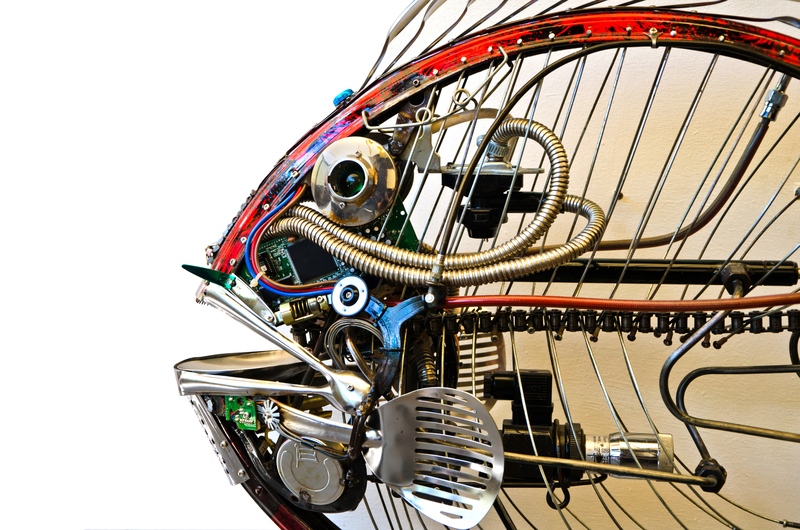
2. Upcycle into Home Decor
- Turn old pans into planters for herbs or flowers.
- Use colanders as light fixtures for a rustic kitchen look.
- Bakeware can serve as funky wall art or storage trays.
3. Use as Garden Tools
- Large pots and pans can become garden diggers or scoops.
- Old ladles can double as bird feeders.
4. School or Craft Projects
- Bill old non-stick cookware into art projects.
- Use metal lids as creative canvases or bases for clock projects.
Where to Recycle Kitchen Cookware
Knowing where to take your old pots, pans, and utensils is key to a successful recycling effort. Here's where you can look:
- Municipal recycling centers: Many accept metal cookware--call ahead to confirm.
- Scrap metal yards: These facilities love aluminum, steel, and copper cookware, often offering a small payment.
- Specialty recycling programs: Some retailers (such as certain kitchenware outlets) offer take-back programs.
- Online recycling directories: Websites like Earth911 help locate facilities in your area.
The Environmental Impact of Reducing Cookware Waste
Reducing waste by recycling cookware delivers a powerful environmental impact. Here are some of the biggest benefits:
- Conserves Resources: Recycling metals and plastics preserves virgin materials for future generations.
- Reduces Greenhouse Emissions: Recycling metals consumes less energy than mining and refining raw ore.
- Reduces Landfill Use: Keeps long-lasting materials like stainless steel and ceramics out of local dumps.
- Promotes Circular Economy: Materials get reused in new products, closing the waste loop.
Common Mistakes to Avoid When Recycling Kitchenware
Even with the best intentions, some common pitfalls can make recycling less effective:
- Placing non-recyclables in the bin: Glass bakeware and ceramics usually can't be recycled curbside.
- Leaving food residue on pans: Always clean thoroughly; dirty cookware can ruin recycling batches.
- Mixing materials: Remove as much plastic, wood, or rubber as possible from metal pots and pans.
Buying Recycled and Sustainable Cookware
Another way to minimize your kitchen's environmental footprint is by choosing sustainable and recycled kitchenware from the outset. Here's how:
- Seek out brands that use recycled steel or aluminum in their product lines.
- Choose high-quality, long-lasting items to reduce the need for frequent replacements.
- Avoid cookware with hard-to-recycle coatings unless you know they are PFOA and PTFE free.
Some companies also offer lifetime warranties or take-back programs--encouraging a circular lifecycle for your kitchen tools.
Frequently Asked Questions About Reusing and Recycling Cookware
Can non-stick cookware be recycled?
Non-stick pans are difficult to recycle with regular curbside metal programs due to their chemical coatings. Check with local facilities or consider a scrap metal yard that accepts non-stick cookware.
Is it better to upcycle or recycle old pots and pans?
Whenever possible, upcycling (repurposing) is more sustainable as it extends the item's useful life. If upcycling isn't feasible, recycling is a great alternative.
How do I recycle cookware with mixed materials?
Always try to separate different materials (metal, plastic, wood) before recycling. If that's not possible, call a local scrap metal facility for guidance.
Conclusion: Make a Difference by Recycling Your Kitchen Cookware
Reducing waste by recycling your kitchen cookware is an often-overlooked but effective way to support eco-friendly kitchens and decrease your environmental impact. Whether through recycling, donating, or creative repurposing, your old pots and pans can be kept out of the landfill and given a second life. Start today by taking stock of your unwanted items and exploring the many sustainable options available for kitchenware recycling. By making thoughtful choices at home, you can help pave the way for a cleaner, greener future!
Quick Checklist for Kitchen Cookware Recycling
- Clean all cookware before recycling or donating.
- Remove non-metallic parts (handles, knobs, etc.).
- Separate items by material (metal, ceramic, plastic).
- Contact your local recycling program for specific guidelines.
- Consider donating or upcycling whenever possible.
By following this guide and sharing the message of reducing waste by recycling your kitchen cookware, you can be part of a worldwide movement towards sustainability--one pot, pan, and utensil at a time.